Performance · Security
The Guide to Firewall Setup and Monitoring
27 January 2025

Within the modern, digital world, safeguarding your business’s network is a necessity, and the role of firewalls in this protective measure is key. A firewall serves as the first line of defence against potential cyber threats by monitoring and controlling the traffic that flows in and out of your network. Understanding how to effectively implement and manage firewalls is crucial for maintaining the integrity and security of your business operations. This blog article will explore the key aspects of firewalls, including setup, monitoring, and the continuous management required to ensure they serve their purpose effectively.
Understanding Firewall Setup And Its Crucial Role In Network Security
A firewall is essentially a network security device that monitors incoming and outgoing network traffic and decides whether to allow or block specific traffic based on a defined set of security rules. It’s an important part of your business’s cybersecurity strategy, acting as a barrier between your internal network and incoming traffic from external sources. This helps protect your network from cyber attacks, unauthorised access, and other security breaches that could compromise sensitive data. Firewalls can be categorised into several types, each with unique features and capabilities. The choice between using a packet-filtering firewall, which inspects everything that crosses the firewall, or a more advanced next-generation firewall that offers deeper inspection capabilities and additional functions like intrusion prevention and application awareness, depends largely on the specific needs and security requirements of your business. The complexity of today’s cyber threats often determines the application of which firewall to use as they provide security features that are critical for protecting modern networks. Therefore, consulting with a specialist is recommended to ensure a firewall tailored to your business’s requirements is selected.Implementing Firewalls: Professional Setup And Configuration
Firewall setup involves more than just installation, it requires careful configuration to ensure that it aligns with your network’s security needs. The process begins with defining specific rules that dictate what traffic should be allowed or blocked. These rules must be regularly reviewed to adapt to new security challenges and changes within the network. The importance of professional assistance in firewall setup and configuring cannot be understated. Services like IT support provide the expertise needed to tailor your firewall’s setup to your specific operational requirements. Professionals ensure that the firewall is not only installed correctly but also optimised for performance and security, reducing the likelihood of misconfigurations that could lead to security vulnerabilities.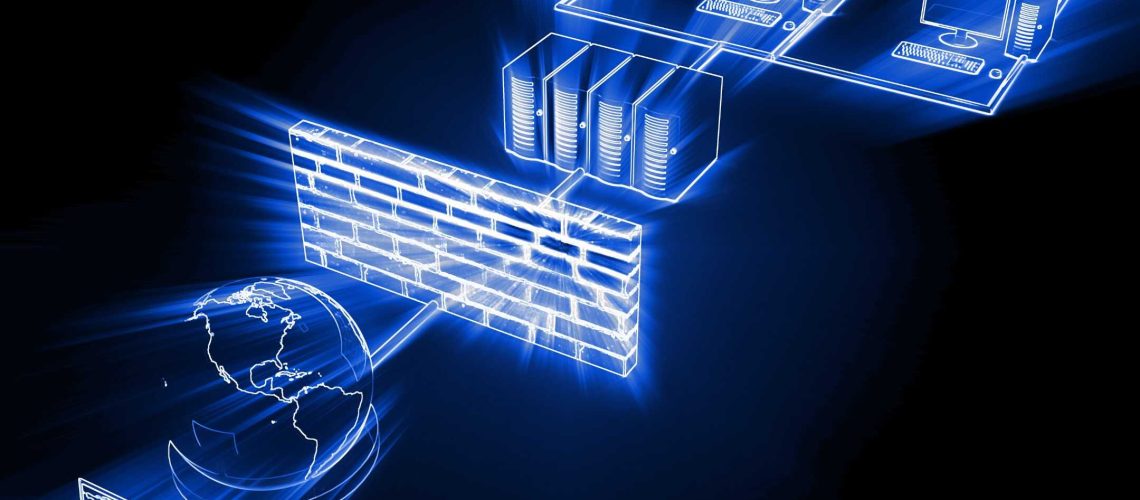
Best Practices For Firewall Monitoring And Maintenance
Once your firewall setup is in place, ongoing monitoring and maintenance are crucial. This helps to ensure that the firewall performs optimally and remains effective against evolving cyber threats. Monitoring this involves regularly reviewing firewall logs and alerts, which can provide early indications of suspicious activity or potential breaches. Routine security audits and reviews of firewall configurations are equally important. These reviews ensure that the rules and settings remain appropriate as your network and its security needs evolve. Adjustments might be necessary to close any gaps that could be exploited by cyber attackers and to refine the rules for better efficiency and fewer false positives.Navigating Challenges In Firewall Management
Despite the best efforts in firewall setup implementation and management, businesses often face challenges that can undermine their network security. One common issue is the complexity of configuring and managing firewalls, especially in complex network environments. Additionally, the increase in cyber threats poses a growing challenge to maintaining an effective firewall defence. Partnering with a specialist IT security provider like PC Help IT can significantly help these challenges. Their expertise aids in the setup and configuration but also in the ongoing management of firewall settings to meet emerging security threats. PC Help IT’s professionals help ensure compliance with industry security standards, providing peace of mind that your firewall’s configuration is both effective and compliant with relevant regulations. By understanding the importance of firewalls, implementing them correctly, and engaging in proactive monitoring and maintenance, you can significantly enhance your network’s defences. Effective firewall management not only protects your business from immediate cyber threats but also prepares it to face future challenges confidently. Contact a member of our team today!Related reading
Is your business's technology environment resilient?
Find out how prepared you really are to keep operating and recover quickly if disruption hits — with a free Technology Resilience Score™.
Our services